White peony meaning has been shaped by centuries of tradition and symbolism. With their soft color and full blossoms, they’ve become flowers people turn to for life’s most meaningful moments. Where red peonies speak of passion, white peonies carry gentler messages: honesty, renewal, and peace. Their role in weddings, ceremonies, and cultural rituals shows how deeply this flower is tied to ideas of purity and calm strength.
What Does a White Peony Symbolize?
The meaning of the white peony has always been layered. On one hand, it represents purity and innocence. On the other hand, it’s a flower tied to growth and change. And in many traditions, it also carries a message of comfort in difficult times. Each of these symbolic layers adds to why white peonies remain so cherished today.
1. Purity & Innocence
White peonies are often linked with honesty and innocence. Their color naturally evokes ideas of truth and clarity, which is why they appear in wedding bouquets and religious ceremonies. They symbolize love without conditions and intentions that are clear and open. Couples choose them to highlight trust, while others see them as a reminder of sincerity in relationships of all kinds.
2. New Beginnings & Fresh Starts
Because peonies bloom in spring, they’ve long been tied to renewal and growth. A bouquet of white peonies is a fitting gift for someone starting a new chapter, whether that’s a marriage, a move, or another major life transition.
Their short flowering season also makes them a reminder to appreciate the fresh start while it lasts, since new beginnings often come with fleeting moments that need to be embraced fully.
3. Healing & Peace
White peonies have also been used as gestures of comfort. In times of loss or transition, they carry a message of healing and serenity. They’re often chosen for memorials or quiet moments when words aren’t enough, offering a simple wish for balance and peace. Beyond grief, they can also represent a return to inner calm, which makes them meaningful for people recovering from challenges or seeking a sense of renewal.
Cultural & Spiritual Meanings
The white peony’s meaning doesn’t stop at personal symbolism. Across cultures and faiths, the flower has been given spiritual weight, reflecting values and beliefs that go far beyond aesthetics.
- China: Yin energy, feminine grace
In Chinese culture, the white peony is linked to yin energy. These are qualities like softness, balance, and feminine beauty. It represents quiet strength rather than outward power, and it often appears in art or textiles as an emblem of refinement. - Christianity: Virgin Mary associations
In Christian symbolism, white flowers often represent purity and devotion. The white peony has been connected with the Virgin Mary, reflecting innocence, spiritual faith, and a love that is selfless. - Japan: Ephemeral beauty
In Japan, white peonies are admired for their fleeting nature. Their blossoms are celebrated as reminders of impermanence, beauty that is most precious because it doesn’t last. This aligns with the Japanese idea of cherishing the present moment.
Together, these cultural perspectives show how the white peony has been understood not just as a flower, but as a symbol that bridges everyday life with deeper philosophies of balance, devotion, and impermanence.
Best Occasions to Choose White Peonies
Because of their layered symbolism, white peonies are chosen for moments that require thoughtfulness, sincerity, and grace. The white peony meaning carries messages of purity, healing, and devotion, making these blooms ideal for life’s more delicate occasions. While red roses might shout passion and tulips may bring cheer, white peonies speak more softly, with a language of honesty and soft emotions.
1. Weddings & Engagements
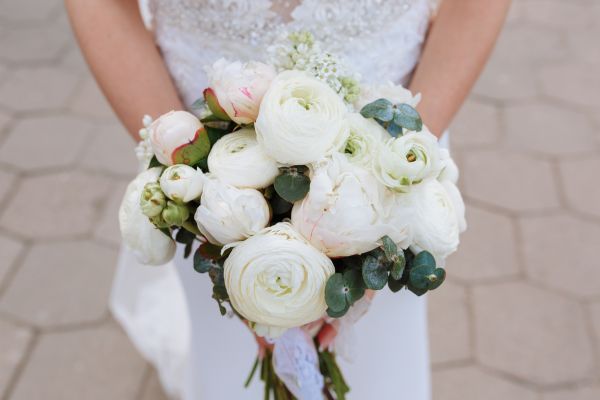
White peonies have been staples in bridal bouquets for centuries, often paired with white roses or soft pastel flowers like ranunculus. Their meaning of purity and new beginnings makes them perfect for engagements and wedding ceremonies. Couples who want to highlight trust, sincerity, and lifelong devotion often lean toward white peonies over bolder blooms. They’re not just pretty in a vase; they’re a promise wrapped in petals.
2. Apologies & Forgiveness
Sometimes words aren’t enough, and this is where white peonies shine. Their symbolism of honesty and sincerity makes them thoughtful gifts when seeking forgiveness. Offering a bouquet of white peonies is like saying, “I mean these words – and I hope you feel the truth behind them.” Compared to a dramatic gesture like gifting a 100 rose bouquet, white peonies feel more intimate, a softer way of opening the door to reconciliation.
3. Sympathy & Memorials
White flowers have long been tied to remembrance, and white peonies are no exception. Their quiet beauty makes them a fitting choice for funerals, memorial services, or simply honoring someone’s memory at home. Unlike bright tulips or bold orchids, white peonies don’t try to overwhelm a room. Instead, they offer a calm presence, carrying messages of peace and eternal love. They’re often chosen to say what can’t be spoken during times of loss.
4. Spiritual Ceremonies
From christenings to meditative rituals, white peonies bring a sense of balance and calm to spiritual spaces. Their connection to purity and grace has made them symbols of devotion in both Eastern and Western traditions. Whether placed alongside lilies in a church or featured with preserved roses in a modern altar arrangement, their presence helps set the tone of reflection and sacredness.
White Peonies in Myths & Art
The influence of white peonies stretches far beyond ceremonies and bouquets. They’ve left their mark on mythology, literature, and visual art, becoming symbols that carry layers of meaning across time.
When exploring how cultures depicted them, the white peony meaning becomes even richer, linked not just to beauty, but to stories and secrets that have endured for centuries.
Greek Myths: Nymphs Transformed into Peonies
In Greek mythology, peonies were often tied to tales of transformation. One story tells of nymphs who, pursued by gods, were transformed into peony flowers to protect their purity. White varieties in particular were associated with innocence and the divine, a reminder of beauty preserved through change. These myths made peonies symbols of resilience and divine favor, qualities still reflected in how they’re admired today.
Victorian Flower Language Secrets
During the Victorian era, flowers became a secret code, with each bloom carrying hidden meanings. A bouquet of white peonies could signal honesty, apology, or deep respect. Unlike red roses, which had an obvious romantic message, the white peony offered subtler layers, often seen as a quiet gesture of affection, devotion, or reconciliation. People relied on these flowers to communicate what they couldn’t say aloud.
Famous Paintings Featuring White Peonies
From ancient myths to impressionist canvases, artists have long been drawn to white peonies for their serene beauty and symbolic depth. These blooms often take center stage, never just background decoration.
First, consider Edouard Manet’s “Branch of White Peonies and Secateurs” (1864). In this still life, the crisp petals and clipped stems are rendered with realistic restraint, turning a simple bouquet into a study in purity and refinement.
Then there’s “Peonies in a Vase” by Manet as well (c. 1864–65), where the white blooms are paired with scarlet flowers, creating a subtle contrast that highlights the soft beauty of the peonies even more.
On the other side of Europe, Impressionists captured white peonies in softer tones. Renoir painted lush clusters in glowing light, showing off the texture and aliveness of the petals.
His works like “Peonies” (c. 1880) embody the fleeting beauty of these blooms, with loose brushstrokes and a gentle color palette that celebrates nature’s grace.