There are no words to explain the feeling of motherhood and the bond between a mother and her child. There is no greater thing and no greater force on Earth. Then how to choose the words, the flowers, the color to describe something deeply threaded to never be explained?
With color variations. With brightness. With your eyes.
The Mother’s Day flower color can be many things, but don’t forget that it’s you who paints the true meaning of the gift.
What Is the Best Mother’s Day Flowers Color?
Some people have their own favorite flower, but not all. But everyone has a favorite color.
Choosing the right Mother’s Day flower color is often what makes a bouquet feel truly personal.
Before anyone even notices the type of flower, the color already sets the tone.
It’s similar to how people interpret colors, flowers, and everyday situations depending on their personality.
Certain shades simply carry a mood with them. Some feel cheerful and bright, others calm and elegant, and a few feel warm and affectionate in a way that instantly reminds people of home.
That’s why color ends up doing a lot of emotional work in Mother’s Day flowers.
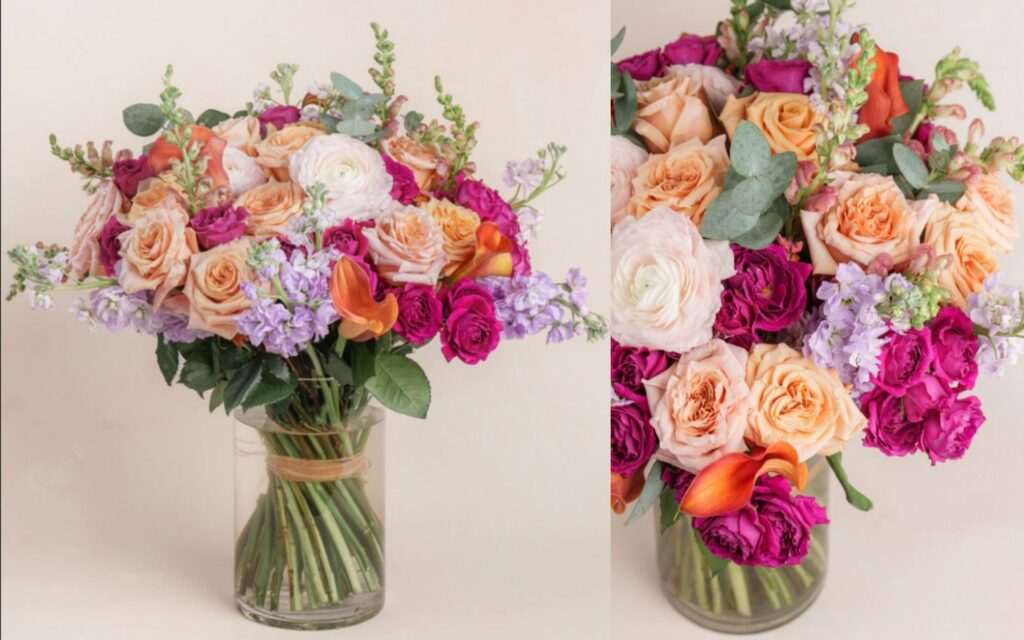
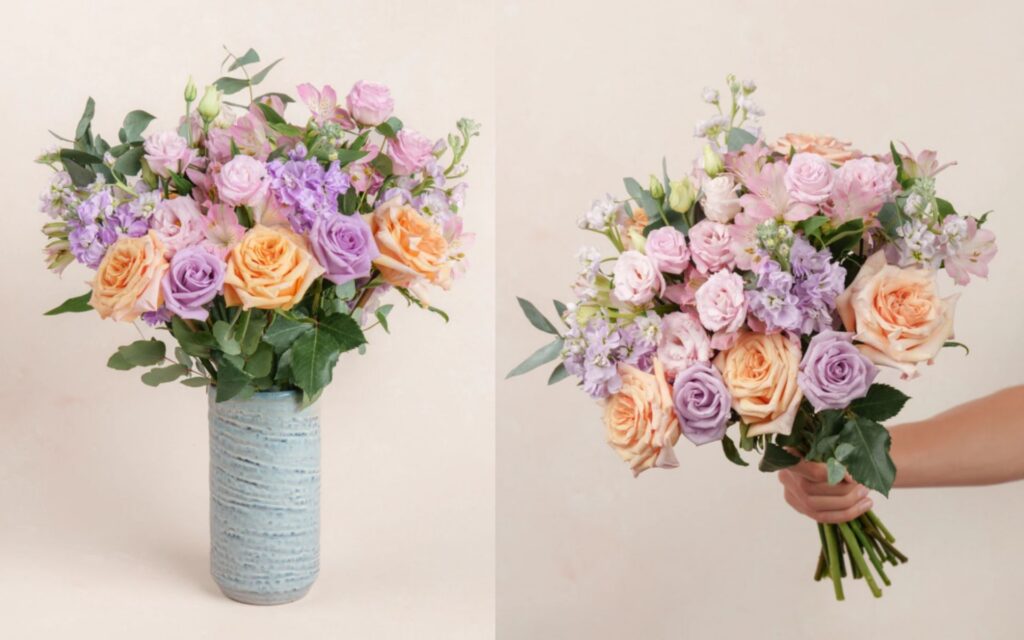
The most common Mother’s Day flower color choices are pink, yellow, white, peach, and lavender. Each one brings a slightly different emotion to the bouquet, which is why florists often lean on these shades when designing arrangements for the day.
What you won’t see very often, though, is red.
And that actually makes sense when you think about it. Red flowers traditionally symbolize romantic love and passion, which is why they dominate Valentine’s Day.
But the love we celebrate on Mother’s Day is different.
It’s deeper, steadier, and honestly much harder to describe. It’s the kind of love that raised you, worried about you, forgave you, and probably still reminds you to bring a jacket when it’s cold outside.
So instead of red, Mother’s Day flower color palettes lean toward softer, warmer tones. Colors that express appreciation, gratitude, comfort, and admiration. The kind of emotions that feel a lot closer to the relationship most people have with their mom.
Popular Mother’s Day Flowers Colors and Their Meanings
In the sections ahead, we’ll walk through what each of these Mother’s Day flower colors represents. Whatever sensation feels closest to your mother, and your feelings about her, we recommend choosing that Mother’s Day flower color. Or, just choose a mixed bouquet that combines them all.
1. Pink Flowers
Pink has slowly become the unofficial Mother’s Day flower color, and it’s not hard to see why.
It carries appreciation in the softest possible way. Not the loud kind of affection, but the quiet gratitude people feel when they think about everything their mom has done over the years.
There’s admiration in it, too. The kind that comes from realizing, usually much later in life, just how much patience and care motherhood actually requires.
And somewhere in the middle of all that sits gentle love. The warm, familiar kind. Which is exactly why pink roses, pink peonies, and pink tulips keep showing up in so many Mother’s Day flowers year after year.
2. Yellow Flowers
Yellow flowers feel like a small burst of sunlight walking into the room.
There’s a reason they’re tied to happiness. Our brains actually react to bright, warm colors in ways that lift mood and attention, which is probably why a yellow bouquet immediately feels cheerful before anyone even thinks about the occasion
Then there’s warmth. Not just the temperature kind, but the emotional version of it. The kind of warmth that reminds you of kitchen lights early in the morning, summer afternoons, or the way your mom somehow made the house feel safe when the world outside was a little chaotic.
And of course, friendship lives in yellow too. Motherhood is not only nurturing and guiding. At some point, usually later in life, it quietly becomes friendship. The kind where your mom starts feeling less like the person who raised you and more like the person who simply understands you.
Maybe that’s why yellow flowers work so well for Mother’s Day.
They mirror the sun a little. Bright, life-giving, impossible to ignore. And humans, scientifically speaking, tend to become better versions of themselves when the sun is out anyway. We smile more, move more, talk more.
3. White Flowers
White flowers tend to appeal to a different kind of personality.
Some moms are naturally expressive and warm, the yellow-flower type.
Others lean toward a more composed, elegant style. The ones who keep things neat, appreciate subtle gestures, and don’t need a big emotional display to know they’re loved.
That’s where white flowers feel right.
They carry respect first. The kind that firmly acknowledges the role she’s played in your life without turning it into a dramatic moment. There’s also a sense of purity in the color, a calm and honest affection that doesn’t try too hard.
And sometimes white flowers touch on remembrance too. They gently reflect the years, the lessons, the countless small moments that shaped who you are today. Because white is the color that can touch every other color without changing it. Just like the mother’s love who quietly follows every child on their life path, supporting who they are.
4. Peach Flowers
Peach flowers live in that interesting space between pink and orange. Technically speaking, peach is not really a color of its own but a shade, a blend created when warmth and softness meet somewhere in the middle.
That balance is exactly what gives peach flowers their meaning. They naturally express appreciation and sincerity, but in a way that feels more direct and grounded. Not overly sentimental, not dramatic. Just an honest, I value you.
Florists often lean on peach when designing Mother’s Day flowers that should feel warm but refined.
The color carries a friendly openness to it, which is why peach roses, ranunculus, and peonies often appear in spring bouquets. According to research on color psychology, peach tones tend to evoke comfort, sociability, and emotional warmth.
There’s also a small visual trick happening here.
Because peach reflects more light than deeper shades, it tends to look softer and more welcoming to the human eye. Which may explain why a peach bouquet often feels like a gentle compliment rather than a grand flower declaration.
5. Lavender or Purple Flowers
Purple is the color that historically belonged to royalty.
Not by design, but by economics. In the ancient world, producing purple dye was so difficult and expensive that only kings, emperors, and the highest ranks of society could afford to wear it.
The shade slowly became a symbol of prestige, admiration, and refined elegance.
That association still lingers today, even in flowers.
Lavender and purple blooms feel distinguished without being loud. They are simply different and bold, carrying elegance naturally, and they express admiration in a way that feels thoughtful rather than overly sentimental.
For Mother’s Day flowers, this color often suits a mom who carries herself with confidence, grace, and a certain presence. The kind of woman people respect the moment she walks into a room.
Best Flower Types for Mother’s Day Bouquets
Some flowers simply belong to Mother’s Day. Not because someone officially decided it, but because over time certain blooms kept appearing in spring bouquets and slowly became part of the tradition.
A few varieties, in particular, show up again and again.
Roses
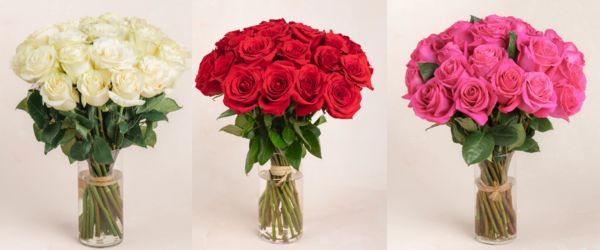
Roses tend to be the first flower people think of, and for good reason. They’re incredibly versatile. A single variety can express different emotions depending on the Mother’s Day flower color you choose. Pink roses lean toward gratitude, yellow roses feel joyful, and white roses add a sense of respect.
Another reason roses remain so popular is practical: they last well and hold their shape beautifully in arrangements. That’s why florists often build an entire Mother’s Day bouquet around them.
Tulips
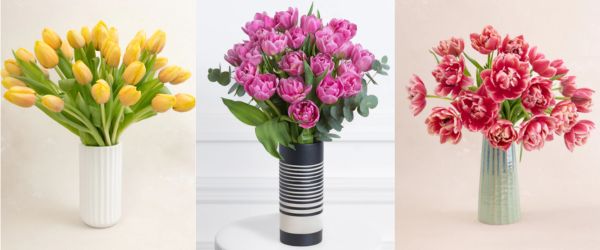
Tulips feel like spring itself. They bloom just as the season begins warming up, which is exactly why they’re so closely associated with Mother’s Day flowers.
What makes tulips special is their simplicity. The clean shape and soft colors give bouquets a fresh, effortless look. Interestingly, tulips continue to grow even after being cut, sometimes stretching another inch or two in the vase.
Carnations
Carnations carry one of the oldest connections to Mother’s Day. In fact, the founder of the modern Mother’s Day holiday in the United States, Anna Jarvis, chose white carnations as the symbol of the celebration in 1908.
They were selected because of their longevity and soft scent, but also because the flower was said to represent a mother’s enduring love. Today, carnations appear in many Mother’s Day bouquets, often adding texture and fullness to the arrangement.
Lilies
Lilies bring elegance to a bouquet almost instantly. Their larger blooms naturally draw attention, which is why they’re often used as focal flowers in arrangements.
Beyond their visual impact, lilies have long been associated with devotion and purity. Many people choose them when they want Mother’s Day flowers that feel graceful and refined rather than overly colorful or busy.
Peonies
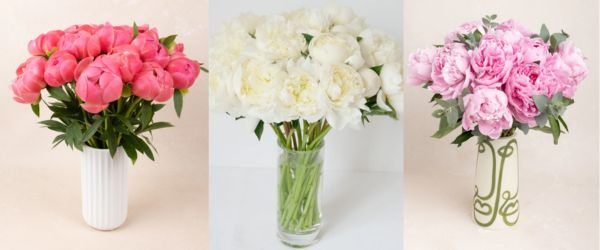
Peonies are often considered the crown jewel of spring flowers. Their large, layered petals open into lush blooms that feel both romantic and celebratory.
Part of their appeal is their seasonality. Peonies bloom for only a short window in late spring, which means Mother’s Day bouquets often feature them while they’re at their best. Their full shape and delicate fragrance make them one of the most anticipated flowers of the season.
How to Choose the Right Mother’s Day Flower Color
Choosing the right Mother’s Day flower color shouldn’t feel complicated, because it isn’t. If you think about your Mom, what’s the first thing that comes to mind?
We hope that our previous explanation of colors and personalities might give you a hint. But if you’re still confused, three simple things usually point you in the right direction.
Consider Your Relationship
Every relationship with a mother carries its own tone.
Sometimes it’s playful and full of laughter. The kind where jokes and stories come easily. In those cases, brighter Mother’s Day flowers like yellow or peach often feel like the right choice because they reflect warmth and joy.
Other relationships feel more rooted in gratitude and admiration, especially as we grow older and start seeing everything our mothers quietly did for us. Softer tones like pink, white, or lavender often express that kind of appreciation beautifully.
The bouquet becomes a small reflection of the relationship itself.
Think About Your Mother’s Personality
Another good guide is simply thinking about who your mom is as a person.
Some mothers love bright colors and lively spaces. Their homes are full of plants, laughter, and movement. For them, cheerful tones like yellow or peach can feel completely natural.
Others prefer calm elegance. They enjoy refined details, subtle beauty, and things that feel timeless rather than flashy. In those cases, white or lavender Mother’s Day flowers often match their personality better.
Flowers become much easier to choose when you picture them sitting in her home.
Choose Seasonal Spring Colors
Mother’s Day has one major advantage: it happens during spring. The absolute flower season, for all flowers and plants.
This is when some of the most beautiful flowers naturally bloom. Tulips, peonies, ranunculus, orchids, roses, marigolds, dandelions, dahlias…. And they are all seasonal and fresh.
In other words, the classic Mother’s Day flower color palette is already built into the season itself.
Are Mixed Flower Colors a Good Choice?
Very often, yes. Mixed bouquets are actually among the most common Mother’s Day flowers, partly because they solve the color question all at once.
When several shades appear together, the bouquet naturally blends meanings. Gratitude, joy, admiration, warmth. Instead of choosing one message, the arrangement carries a fuller emotional picture.
They also tend to look more natural. Spring gardens rarely bloom in a single color, and florists often mirror that same balance in mixed bouquets. The result feels lively, seasonal, and effortlessly beautiful.
In many ways, mixed colors simply reflect the reality of motherhood itself. Not one emotion, not one role, but many, all working together.
Why Flower Color Matters for Mother’s Day
Flower color carries meaning, whether we realize it or not. For centuries, different shades have been used to symbolize emotions and messages people sometimes find hard to say directly. That’s why Mother’s Day flowers often lean toward colors like pink, yellow, white, or lavender. Each one naturally suggests something: appreciation, happiness, respect, admiration.
There’s also an emotional side to it. Color affects how we feel. Warm shades tend to feel joyful and energetic, while softer tones feel calm and sincere. A bouquet’s color can subtly shape the mood of the moment when your mom first sees it.
And then there’s the visual impact. Color is what makes a bouquet stand out across the room. The right Mother’s Day flower color can turn a simple arrangement into something memorable, something that feels bright, elegant, or comforting the moment it arrives.
Frequently Asked Questions About Mother’s Day Flowers Color
What is the most popular Mother’s Day flower color?
The most popular Mother’s Day flower color is pink. Pink flowers naturally symbolize appreciation, gratitude, and gentle love, which perfectly reflects the emotion behind the holiday. That’s why pink roses, pink tulips, and pink peonies appear in so many Mother’s Day bouquets each year.
Are pink flowers best for Mother’s Day?
Pink flowers are often considered the safest and most traditional Mother’s Day flowers because they express admiration and thankfulness without feeling overly formal. However, they aren’t the only good choice. Yellow flowers feel joyful, white flowers express respect, and lavender flowers add elegance. The best color ultimately depends on your mother’s personality.
What flower color means “thank you” for Mother’s Day?
Pink and peach are the Mother’s Day flower colors most closely associated with saying “thank you.” Pink represents appreciation and admiration, while peach flowers communicate sincerity and gratitude in a slightly warmer, more understated way.
Are mixed flower colors good for Mother’s Day bouquets?
Yes, mixed colors are actually one of the most common Mother’s Day flower arrangements. Combining several shades allows a bouquet to express multiple emotions at once, like happiness, appreciation, admiration, and warmth. It also creates a visually balanced arrangement that feels lively and seasonal.
What are the best flowers for a Mother’s Day bouquet?
Some of the most popular Mother’s Day flowers include roses, tulips, carnations, lilies, and peonies. These flowers bloom naturally in spring, come in a wide range of meaningful colors, and hold up beautifully in bouquets, which is why florists frequently use them for Mother’s Day arrangements.
Final Thoughts
Mother’s Day isn’t about grand speeches. It’s about small gestures that say a lot.
A beautiful bouquet on the table, a knock on the door with a surprise delivery, the moment she realizes someone thought about her first that day. Flowers have a way of turning an ordinary Sunday into a celebration.
If you’re planning something special this year, explore the Mother’s Day flower collection at Ode à la Rose and choose a bouquet that will make her smile the moment it arrives.