Planning wedding flowers in Washington, D.C. usually starts the same way: a Pinterest board with a few hundred saved photos, a venue you love, and no clue what any of it costs. Then the first florist quote lands in your inbox, and suddenly you’re decoding words like “minimum,” “installation,” and “breakdown fee.” (Deep breath. You’re in good company.)
Here’s the reassuring part: the D.C. flower market makes a lot more sense once someone walks you through it. That’s exactly what we’ll do here. Real cost numbers, the blooms that are in season each month, how to choose a florist you trust, and which styles suit the city’s most iconic venues.
Saying “I do” in a Gilded Age mansion off Dupont Circle, at a winery on the Anacostia, or under the trees at a Northern Virginia vineyard? Either way, you’ll leave with a plan. Let’s start with the question everyone asks first.
How Much Do Wedding Flowers Cost in Washington, D.C.?
If you’re marrying in the D.C. area, expect to spend a bit more on flowers than couples in most of the country. According to The Knot 2026 Real Weddings Study, which surveyed more than 10,000 couples married in 2025, the national average sits at $2,800. In the Mid-Atlantic, it climbs to $3,600, the highest of any region.
Guest count moves that number more than anything else. More guests mean more tables, and more tables mean more centerpieces:
- 1–50 guests: about $1,600 on flowers
- 51–100 guests: about $2,400 on flowers
- 101+ guests: about $3,300 on flowers
Keep in mind that these averages include couples who went partly DIY or kept things very simple.
So where does the money go? Sure, the bridal bouquet feels like the big-ticket item. But the real budget moves happen elsewhere: on the reception tables, in a ceremony arch or chuppah, and in the hours of delivery, setup, and breakdown, your florist’s team puts in on the day. Imported, out-of-season blooms add up fast, too.
Many florists use a simple rule of thumb: plan for flowers to take roughly 10% of your total wedding budget, a bit more if they’re a top priority for you. Know your number before the first consultation, and every conversation after it gets easier.
In-Season Wedding Flowers in Washington, D.C. by Month
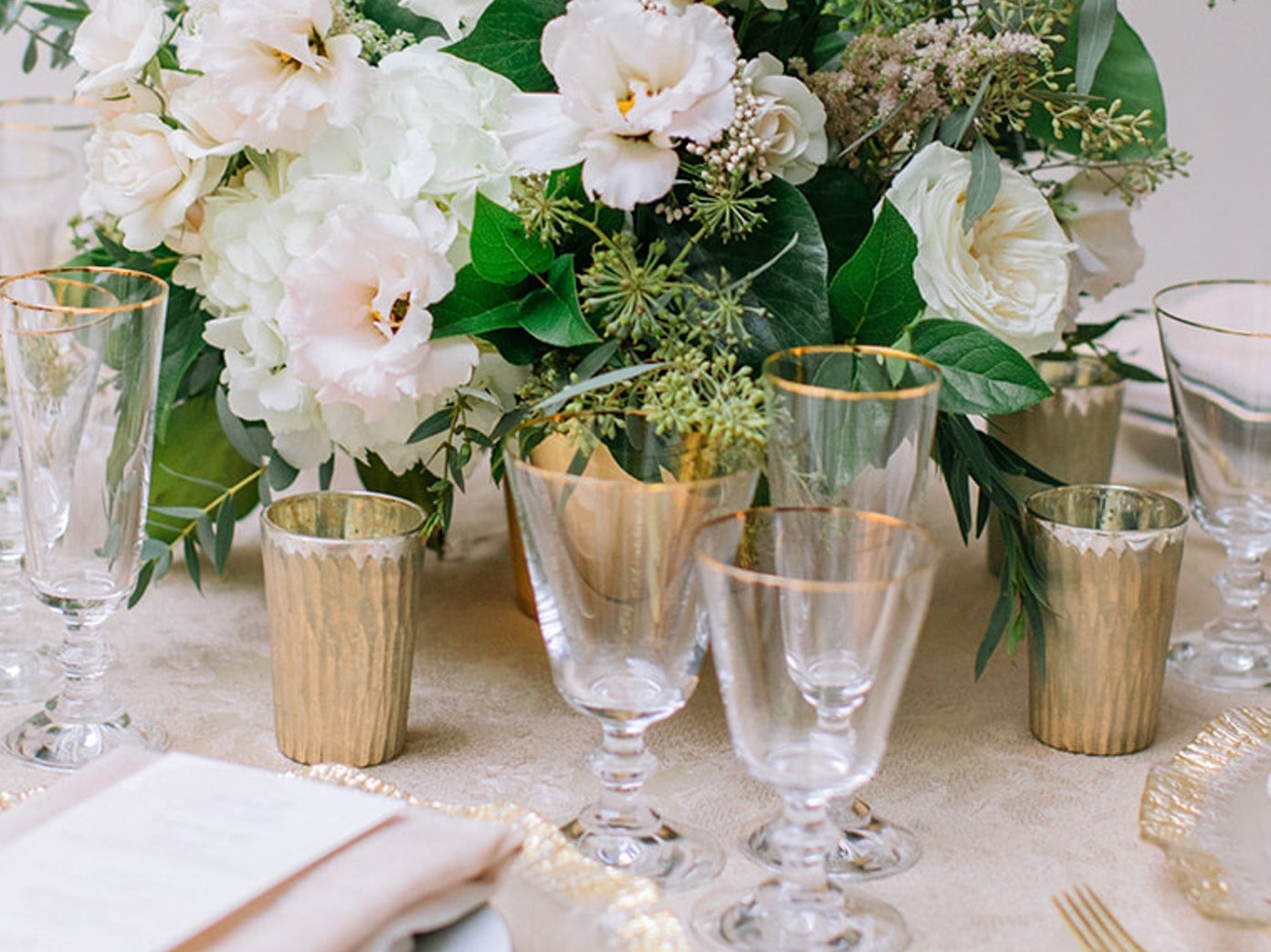
Choosing flowers that are naturally in season is the easiest way to get more beauty for your budget. They’re fresher, easier to source, and they make your day feel tied to a real moment in the year. Here’s what to look for, season by season.
Spring wedding flowers (March–May)
Peonies, ranunculus, tulips, lilac, sweet peas, and garden roses: the softest, most romantic lineup of the year. Locally grown peonies usually bloom from early May to mid-June around D.C., so a late-May date gives you the best shot at them.
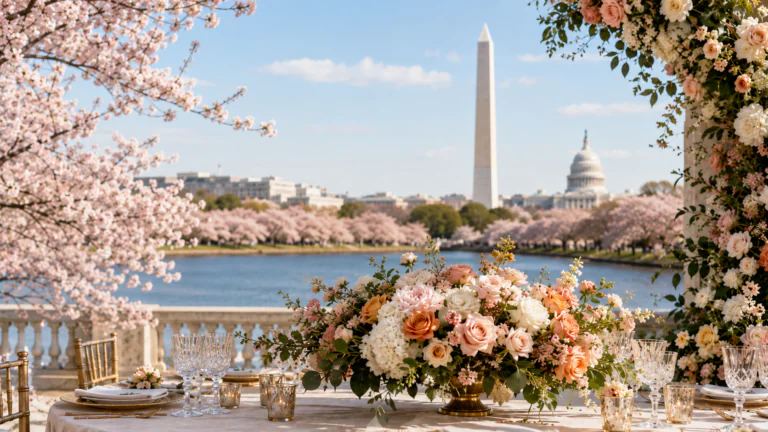
Then there’s cherry blossom season, the city’s most famous floral moment. Picture this: pale pink petals drifting over the Tidal Basin, the Jefferson Memorial glowing in the background, and you and your partner in the middle of it all. In 2026, the National Park Service predicted peak bloom for March 29 to April 1, and the trees beat the forecast, hitting peak on March 26.
That’s the catch. Peak bloom has landed as early as March 15 and as late as April 18 over the years, so it’s a lovely backdrop, but a risky date to build a wedding around. Want that blossom look no matter what the trees decide? Ask your florist about flowering branches like cherry or quince for arches and tall arrangements.
Spring doesn’t wait for anyone, and neither do these blooms.
Summer wedding flowers (June–August)
Summer brings the widest variety: dahlias, garden roses, lisianthus, hydrangeas, scabiosa, and Queen Anne’s lace. For something unexpected, ask about the blushing bride, a delicate South African protea relative with papery white petals that florists can typically source from May through October.
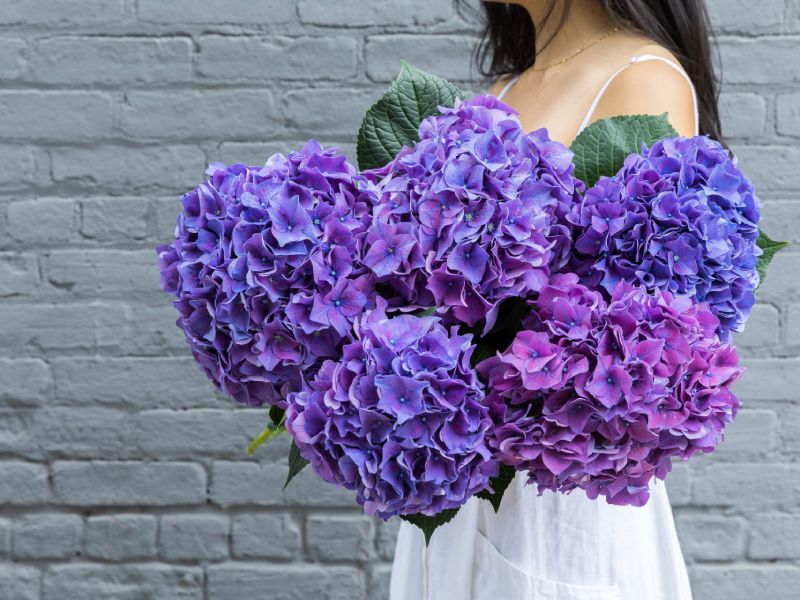
The tricky part? D.C. heat and humidity. Hydrangeas, for one, are famously thirsty and droop fast in the sun. If your ceremony is outdoors, keep the most delicate blooms for the air-conditioned reception, choose hardier stems for the aisle, and consider a later ceremony time once the afternoon heat breaks.
Plan for the weather, and your flowers will look as fresh at the last dance as they did at the first look.
Fall wedding flowers (September–November)
Chrysanthemums, dahlias, asters, and marigolds bring warm color to fall weddings, from rust and copper to deep burgundy. Pair them with pampas grass and dried textures, and you get that layered, golden-hour look that photographs beautifully against autumn leaves.
Dried elements are also practical. They hold up well through a long reception, they don’t need water, and they add volume without adding a lot of fresh stems to your bill.
Fall in D.C. does half the decorating for you. Your flowers just have to join in.
Winter wedding flowers (December–February)
Winter has a quieter, moodier palette: anemones, amaryllis, hellebores, ranunculus, and plenty of evergreens. Think deep reds, crisp whites, candlelight, and greenery that smells like the season. Some venues lean into it, too. Anderson House on Embassy Row, for example, dresses up for the holidays with a grand tree in the ballroom and garland throughout the house.
One honest note: winter isn’t automatically the budget season for flowers. In The Knot’s data, couples who married between January and March spent slightly more on flowers ($2,900) than any other part of the year, likely because more stems have to travel from farther away. Evergreens and branches are your best friends here.
A little greenery, a lot of candlelight, and suddenly the coldest month feels like the coziest.
Choosing a Wedding Florist in Washington, D.C.
The right florist for you isn’t always the one with the biggest Instagram following. It’s the one whose style matches yours, whose pricing fits your budget, and who answers your emails like they’re excited about your wedding. Here’s how to find them.
Full-service florist vs. à la carte vs. DIY
There are three main ways to handle wedding flowers, and each one fits a different kind of couple.
A full-service florist designs everything, sources the stems, delivers to your venue, sets up, and comes back to clear it all away at the end of the night. It’s the most hands-off option and usually the priciest, which makes it the natural pick for larger weddings with ceremony pieces and lots of tables.
An à la carte florist makes specific pieces, like your bouquets, boutonnieres, and a set of centerpieces, then delivers them or has them ready for pickup. It works well for smaller weddings where you don’t need a team on-site.
And DIY? It can save money, but be honest with yourself about the work. You’d be sourcing flowers, processing every stem, arranging the day before, and finding somewhere cool to store it all, during the busiest week of your life. Great for a backyard elopement. Much harder for 150 guests.
No option is better than the others. It’s about which one lets you enjoy the day.
Questions to ask before booking your DC wedding florist
A good consultation feels like a conversation, not a sales pitch. Bring these questions along:
- Are you available on my date, and how many weddings do you take that day? You want to know your florist won’t be stretched thin.
- Do you have a minimum spend? Ask this early, ideally in your first email, so nobody’s time gets wasted.
- Have you worked at my venue before? Many D.C. venues have their own rules on load-in times, open flames, and what can hang from the ceiling.
- What happens if a flower isn’t available? A clear substitution policy protects you if a crop comes in short or the quality isn’t there.
- What’s included in delivery, setup, and breakdown? Get the timing in writing, especially for venues with strict end times.
- Can ceremony pieces move to the reception? Reusing arrangements is one of the smartest ways to stretch your budget.
Planning a ceremony at one of the monuments? Ask whether they’ve worked with National Park Service permits. The NPS wedding guidelines don’t allow decorations attached to park structures or plants, so everything has to stand on its own.
The best answers don’t just sound good. They make you feel looked after.
How far in advance to book
The Knot recommends booking your florist about 9 to 10 months before the wedding, after starting your research around 11 to 12 months out. In D.C., popular Saturdays fill up fastest, so if your date falls in late spring or fall, aim for the earlier end of that window.
The easiest order of operations? Lock in your venue and date first, then make your florist one of your first vendor bookings. Florists can only take on so many weddings per weekend, and that’s one calendar you don’t want to lose to someone else.
Red flags and green flags when reviewing proposals
Once the proposals start coming in, it’s tempting to just compare the totals. Look a little closer, because the details tell you how the day will go.
Green flags look like an itemized proposal that lists every piece and quantity, a designer who asks about your budget and venue right away, honest suggestions for in-season swaps, and a portfolio full of real weddings (not only styled shoots). Bonus points if they tell you, kindly, when something on your wish list won’t work.
Red flags look like one lump-sum price with no breakdown, a promise of out-of-season peonies with zero caveats, pressure to sign by Friday “before the date’s gone,” and a contract that says nothing about substitutions, timing, or cancellations.
Trust your gut here. If a florist makes you feel heard in the proposal stage, they’ll make you feel heard on the big day, too.
Best Wedding Flower Styles for Popular DC Venues
The smartest floral plan works with your venue, not against it. A marble ballroom and a riverside winery ask for completely different flowers, so let the space guide you. Here’s how that plays out across some of D.C.’s favorite kinds of venues.
Historic mansions on Embassy Row
Take Anderson House, a Beaux-Arts mansion built in 1905 for Larz and Isabel Anderson. Marble-lined rooms, a grand ballroom, and a walled garden mean the architecture already does a lot of the talking. Lush, garden-style arrangements in soft, classic palettes (ivory, blush, a touch of green) complement all that detail without competing with it. In spaces like this, less is more, and your budget will thank you.
Grand halls built for big moments
The National Building Museum has a Great Hall with eight colossal Corinthian columns, and it has hosted presidential inaugural balls for decades. A room this size swallows small arrangements whole. So think tall: elevated centerpieces, generous entrance pieces, and flowers that hold their own from across the room. One bold statement beats twenty tiny ones here.
Waterfront and urban spaces
District Winery, a working winery in Navy Yard along the Anacostia River, pairs floor-to-ceiling windows with walnut tables and marble-topped bars. With a view like that, keep the flowers low and loose, so nothing blocks the river. Bud vases, trailing greenery, and a few garden roses on bare wood look effortless (in the best possible way).
Ceremonies at the monuments
Want to say your vows with a monument in the background? The National Park Service allows ceremonies at designated spots within National Mall and Memorial Parks with a Special Use Permit. Every piece of equipment has to be approved, and nothing can be attached to park structures or plants. That makes hand-held bouquets and a few freestanding arrangements the way to go. And they travel easily to the reception afterward.
Vineyards and estates in Maryland and Northern Virginia
Rolling hills, open sky, and long harvest tables call for flowers that look like they grew right there. Loose, meadow-style arrangements, wild grasses, and seasonal stems from local farms fit right in. Just keep the outdoor weather in mind, and save the most delicate blooms for shaded or indoor spots.
Whatever the setting, the goal stays the same: flowers that make your venue feel even more like you.
Wedding Flower Trends in DC for 2026
This year’s flower trends swing between two moods: sculptural and modern on one side, wild and garden-grown on the other. Here are the ones florists are most excited about, according to The Knot’s 2026 wedding flower trend report, plus how they translate to a D.C. wedding.
- Sunken meadows. Instead of tabletop centerpieces, florists are building low “meadows” of grasses and blooms on the floor around and between tables. Nothing blocks anyone’s view across the table, and the effect is stunning down a long banquet setup in a grand hall.
- Calla lilies and lily of the valley. These Victorian-era favorites are back, often in small, single-flower bouquets. Clean, classic, and perfect for a formal mansion wedding.
- Monochrome, all-white designs. One flower or one color, used in bold groupings, with white as the shade of the year. It looks especially elegant against marble and limestone (and D.C. has plenty of both).
- Grounded ceremony arches. Rather than a structure overhead, these arrangements rise from the ground and frame the couple at the altar, like standing in a garden. A natural fit for spaces where you can’t hang anything.
- Center-stage greenery. Ivy, herbs, and lush foliage are moving from filler to focal point. It’s fresh, it’s natural, and it’s kind to your budget.
- Small bouquets all around. Oversized bouquets are giving way to petite ones, sometimes just a single stem per bridesmaid. Less to carry, more to love.
Trends are fun to borrow from, but you don’t owe any of them a spot in your wedding. Take what feels like you, and leave the rest.
How to Save on Wedding Flowers Without Sacrificing Style
A smaller flower budget doesn’t have to look like a smaller flower budget. Most of the savings come from a few smart decisions made early, not from cutting corners on the day. Here’s where to start.
- Let the season lead. Tell your florist your colors and mood, then give them room to choose the best in-season stems that week. Flexibility almost always costs less than a strict list of exact varieties.
- Lean on greenery. Per stem, greenery usually costs less than flowers, and the more foliage in the mix, the lower the total tends to be. It also happens to be one of 2026’s favorite looks.
- Choose fewer varieties. Monofloral or single-color designs keep sourcing simple, and according to The Knot, cutting down on varieties helps keep your spend closer to the average.
- Make every piece work twice. Aisle arrangements can line the cake table, and bridesmaid bouquets look lovely in vases on the sweetheart table. Plan the move with your florist ahead of time.
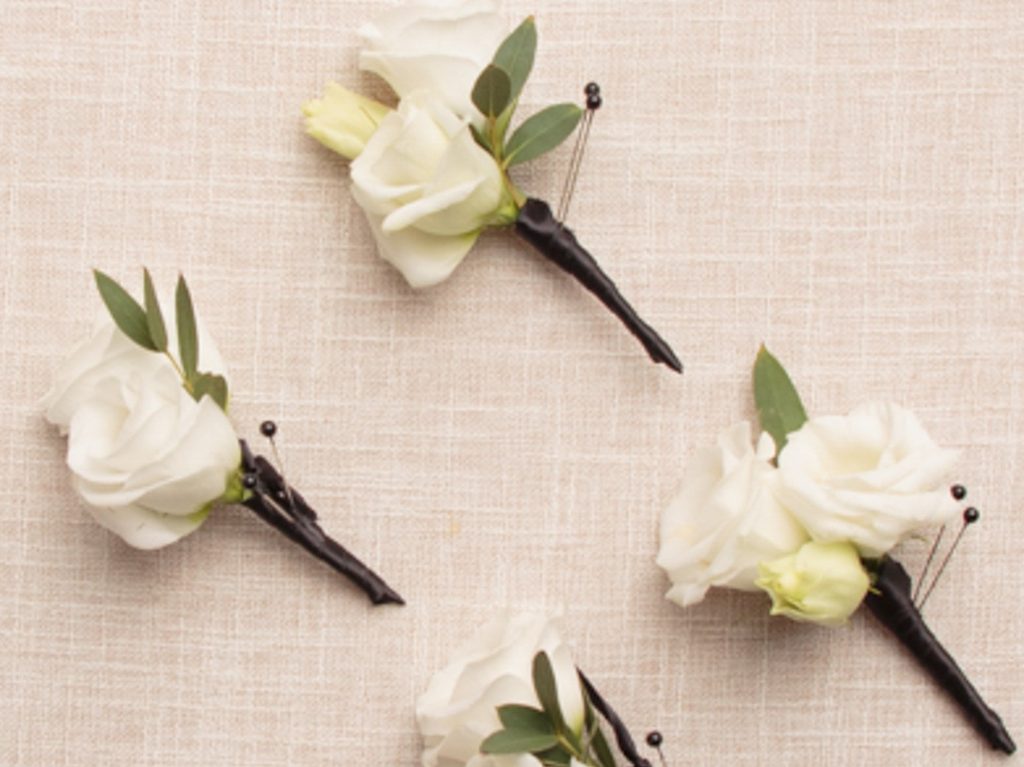
- Go small on personal flowers. Petite bouquets and single-stem boutonnieres are on trend this year, and they add up to real savings across a big wedding party.
- Put your budget where people look. One showstopping ceremony piece or entrance arrangement makes more impact than flowers spread thinly across every surface. Bud vases and candles can fill in the rest (just check your venue’s rules on open flames).
- Be honest about your number. Share your real budget at the very first consultation. A good florist will design to it from the start, instead of trimming a dream proposal piece by piece later.
For intimate celebrations, rehearsal dinners, or welcome tables, ready-made arrangements can be a sweet shortcut. Our Small Weddings collections come in four styles (Classic, Bohemian, Romantic, and Vivid), and our centerpiece collections are hand-made in our local D.C.-area atelier.
In the end, the flowers people remember are the ones that feel personal, not the ones that cost the most.
Frequently Asked Questions About Wedding Flowers in Washington, D.C.
Still have a few questions? Here are quick answers to the ones D.C. couples ask most.
What is the average cost of wedding flowers in Washington, D.C.?
Couples nationwide spend about $2,800 on wedding flowers, according to The Knot’s 2026 Real Weddings Study. In the Mid-Atlantic, which includes D.C., that average rises to about $3,600, the highest of any region. Larger guest lists, ceremony installations, and imported blooms can push a full-service D.C. wedding well beyond that.
When should I book my DC wedding florist?
The Knot recommends booking your florist about 9 to 10 months before your wedding, after starting research around 11 to 12 months out. In D.C., popular Saturdays in late spring and fall fill up first, so aim for the earlier end, ideally right after you’ve secured your venue and date.
Do DC wedding florists have a minimum order?
Many do, especially full-service studios, since a wedding involves design time, sourcing, delivery, setup, and breakdown. Starting prices listed in Zola’s D.C. florist directory range from under $1,000 to around $9,000. Ask about minimums in your very first email, so you only fall for florists who fit your budget.
Can I have peonies for a fall DC wedding?
It’s possible, but tricky. Around D.C., local peonies bloom from roughly early May to mid-June. In the fall, florists have to import them, so supply is limited and prices climb. If you love that lush, ruffled look, ask about garden roses or dahlias, which deliver a similar feel in autumn.
Are wedding flowers cheaper in Maryland or Virginia than in DC?
Not necessarily. There’s no reliable data showing that florists in Maryland or Northern Virginia consistently charge less than those in the District. Your total depends far more on the florist you choose, your guest count, your flower choices, and venue logistics like delivery distance and setup time. Compare itemized quotes, not ZIP codes.
What flowers are in season in DC during cherry blossom season?
Cherry blossom season usually peaks in late March or early April (in 2026, peak bloom arrived on March 26). Around that time, look for tulips, ranunculus, anemones, sweet peas, and early garden roses, plus flowering branches like cherry and quince. Lilac follows later in spring, and local peonies arrive in May.
Bringing Your DC Wedding Florals to Life
If your head is spinning a little after all those numbers and bloom calendars, that’s completely normal. Wedding flowers involve a lot of small decisions, and nobody expects you to know them all on day one.
Here’s what matters most. Set a realistic budget, pick a season you love, and find a florist who listens. Whether you end up with a ballroom full of white calla lilies or a handful of garden roses tied with ribbon, there’s no wrong way to do this. The right flowers are simply the ones that feel like the two of you.
And if you’d like a little help along the way, we’d love to be part of it. Our D.C.-area atelier works with couples on wedding flowers of all sizes, from intimate ceremonies to bigger celebrations. Get in touch with our team to talk through your date, your venue, and your vision.
Here’s to the flowers, the vows, and every happy moment in between!